
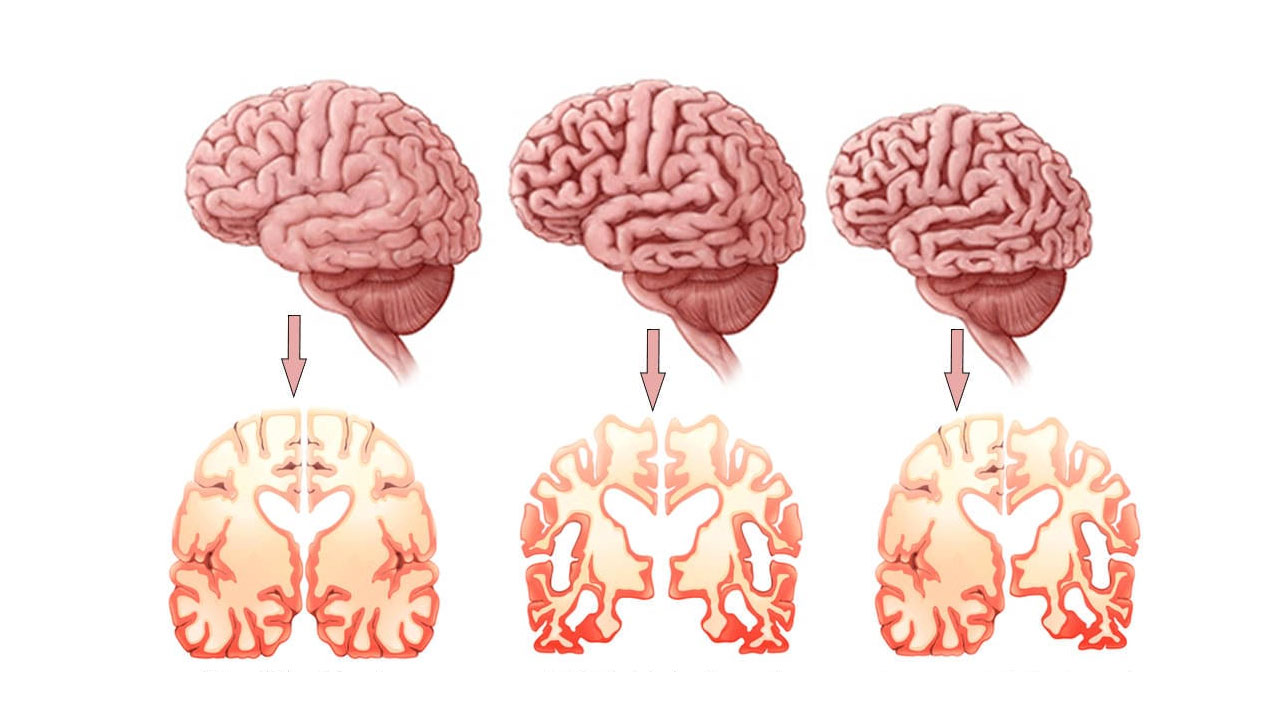

Alzheimer’s disease is a neurological condition characterized by the loss of nerve cells and dysfunction in the brain. Alzheimer’s disease leads to a progressive decline in memory, thinking, and behavior.
The exact cause of Alzheimer’s disease is not known. However, there are various factors thought to contribute to the development of the disease. These factors include:
Genetic: Alzheimer’s disease is a hereditary condition, and certain genes may increase the risk of its development. Age: Alzheimer’s disease is typically seen in individuals aged 65 and older. The risk of developing Alzheimer’s disease increases with age. Other illnesses: Other conditions such as heart disease, diabetes, and high blood pressure may increase the risk of Alzheimer’s disease. Lifestyle factors: Smoking, obesity, and lack of physical activity can also increase the risk of Alzheimer’s disease.
Some mechanisms that may play a role in the development of Alzheimer’s disease include:
Amyloid plaques in the brain: Amyloid plaques are protein accumulations that build up in the brain and disrupt the function of nerve cells. Tau proteins in the brain: Tau proteins are protein accumulations that also build up in the brain and disrupt nerve cell function. Loss of neurons in the brain: In Alzheimer’s disease, neurons in the brain die or lose their function.
Please note that translations may vary depending on the specific dialect of Flemish or Dutch you are looking for, but the provided translation is in standard Dutch.